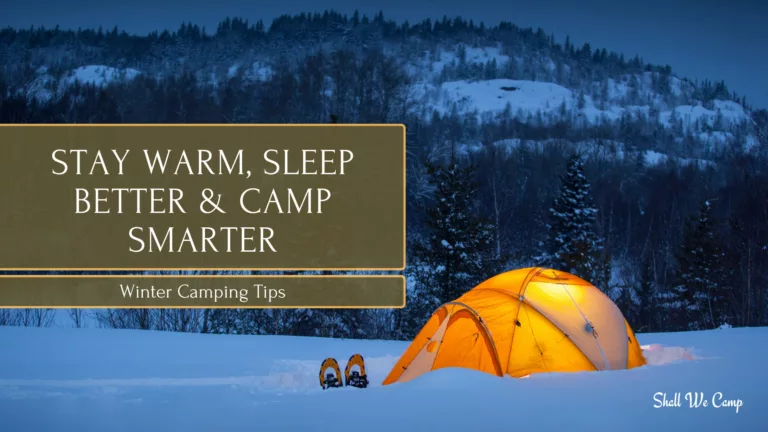

Winter camping used to feel like an extreme hobby for the “hardcore” crowd… but not anymore. In recent years, more campers have started heading out in the colder months… some because campgrounds are quieter, some because the views are unreal, and some because they just discovered they love a cozy campfire season. I know that's why WE love to camp in winter.
Winter camping isn’t about “toughing it out” as much as it’s about making small smart choices so you stay warm, dry, and safe.
The Dyrt reported winter as the fastest-growing camping season, with winter camping increasing by 40.7% since 2019, and later surveys found about one-third of campers were camping in winter. KOA has also pointed to camping becoming more year-round, and its recent reports show overall camping participation has grown significantly since 2019.
If you’re new to it, don’t worry, winter camping doesn’t have to be miserable. These winter camping tips for beginners cover the biggest make-or-break areas that you should be familiar with: layering, your sleep system, site selection, condensation, fire safety, and backup heat.
Affiliate Disclaimer: This site contains affiliate links, which means I may earn a commission on purchases made through these links at no extra cost to you.
Quick winter camping checklist (beginner edition)
Before we dive in, here’s the simple list:
✅ Check the forecast and wind chill (wind changes everything)
✅ Dress in layers (skip cotton)
✅ Use a true cold-weather sleep system (bag + pad insulation)
✅ Pick a sheltered campsite and manage moisture/condensation
✅ Follow fire + carbon monoxide safety rules
✅ Bring backup heat and a backup plan (including an exit plan)
Table of Contents
1) Start with the Forecast & Factor in the Wind Chill
A calm 25°F night can feel totally manageable. Add wind, and it can get dangerous fast. The National Weather Service explains that wind increases heat loss and can significantly raise frostbite risk (including very short exposure times in extreme wind chill).
Beginner-friendly planning tips:
Choose your first winter trip on a “milder” weekend (above 20°F overnight, low wind, low precip).
Avoid your first winter camp during freezing rain, heavy wet snow, or high winds.
Tell someone where you’ll be and when you’ll be out.
2) Layering 101: Dress Like You’re Adjusting a Thermostat
Layering is the easiest way to stay comfortable because winter camping isn’t “one temperature.” You’ll be cold setting up camp, warm after hiking, cold again while cooking, then warm in the sleeping bag.
The simple layering system:
Base layer: moisture-wicking (merino or synthetic)
Mid layer: fleece or puffy insulation
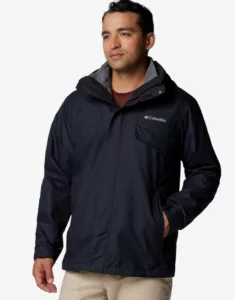
Outer layer: windproof/water-resistant shell
Beginner rules that save trips:
Avoid cotton (it holds moisture and makes you cold).
Bring two sets of base layers: one to hike in, one dry set to sleep in.
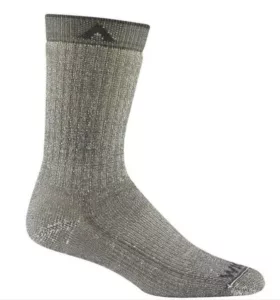
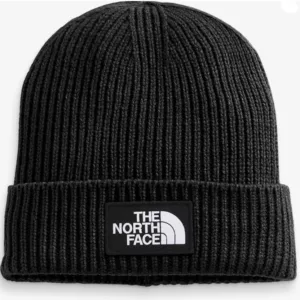
Pack warm accessories like you mean it: beanie, neck gaiter, gloves & spare gloves, and thick socks.
3) Your Sleep System Matters More Than Your Tent
This is where most first-timers struggle: they buy a decent sleeping bag… and still freeze because the ground steals heat fast.
The key: sleeping pad insulation (R-value)
REI explains that higher R-value = more insulation, and stacking pads adds R-values together.
Beginner target:
For winter conditions, aim for a pad setup around R-4 or higher (and even higher if you’re camping well below freezing).
Easy upgrade that works:
Use a closed-cell foam pad under your inflatable pad. It adds insulation and acts as insurance if your inflatable fails.
Sleeping bag tips that actually help
Use a bag rated appropriately for your low temps (and remember: ratings vary by brand and how warm you sleep).
Eat a warm snack before bed (your body needs fuel to generate heat).
Warm up your sleep space: do a few jumping jacks or a brisk walk before you get in the bag. Don’t crawl in already chilled.
📌 Want to make your nighttime setup even warmer and more comfortable?
Check out my guide to Sleeping Bags for Camping to find the best options for cold nights. Plus what to look for in temperature ratings, insulation types, and cozy features that actually matter.
4) Site Selection: Block Wind, Stay Dry, and Think “Morning You”
Your campsite choice can make your night either cozy… or brutally uncomfortable.
Beginner site selection tips:
Look for natural wind breaks (trees, terrain features, rock outcroppings).
Avoid camping in low spots where cold air settles.
Think about sun: if possible, pick a site that gets morning light so you warm up faster.
Keep your “kitchen” area a safe distance from your tent (especially if you’ll be cooking with a stove).
5) Condensation: Why Your Tent Gets Wet in Winter (and how to fix it)
Even when it’s freezing outside, your body is releasing moisture all night. That moisture hits cold tent walls and turns into condensation and sometimes frost.
How to reduce condensation:
Vent your tent (yes, even when it’s cold)
Avoid drying wet gear inside your tent
Keep snow-covered boots, jackets, and damp items in a vestibule or sealed bag
Use a small microfiber towel to wipe down walls in the morning
Outdoor gear brands and camping educators commonly emphasize ventilation as a key winter comfort move.
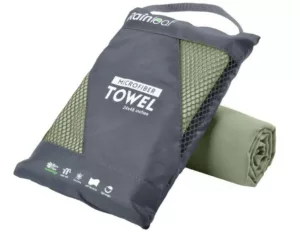
Rainleaf Microfiber Towel
Perfect Travel & Gym & Camping Towel.
Quick Dry – Super Absorbent – Ultra Compact – Light
6) Fire Safety & Stove Safety
A fire is great… until it isn’t. In winter, people also get tempted to “heat the tent” with the wrong gear. DON'T!!
Carbon monoxide safety in cold-weather camping
The U.S. Consumer Product Safety Commission warns never to use fuel-burning heaters or lanterns while sleeping in enclosed areas such as tents, campers, and vehicles. Scouting America also warns that fuel-burning equipment should not be used inside enclosed shelters, and that small openings aren’t enough to prevent dangerous CO buildup.
Beginner-safe rules:
Never run a stove in your tent.
Never sleep with a fuel-burning heater on.
Cook outside or in a well-ventilated, open area.
Keep a small fire extinguisher in camp (especially if you cook a lot).
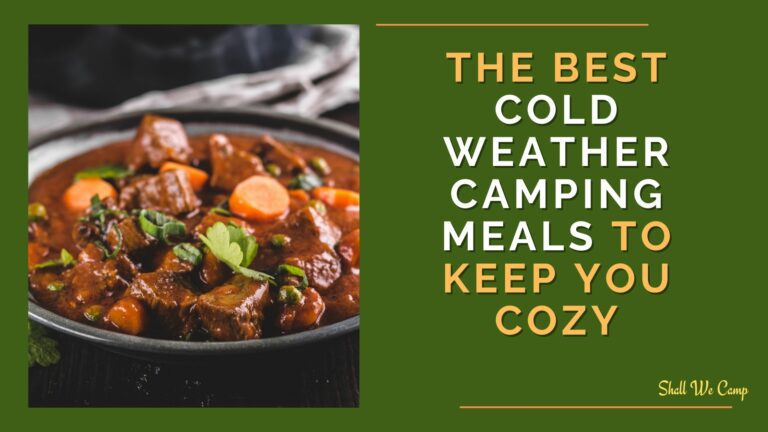
Warm meals aren’t just comfort food in winter, they’re part of your heat strategy. So head over to my Best Cold Weather Camping Meals Guide for easy, satisfying ideas that’ll keep you fueled up and warm at camp.
7) Backup Heat: Don’t Rely on “One Warm Thing”
When winter camping, you always want a Plan B.
Simple backup heat ideas:
Extra dry socks + an extra insulating layer (packed in a dry bag)
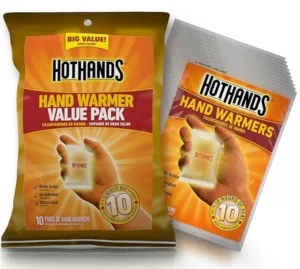
Hand warmers (great for pockets and sleeping bag footbox)
Hot water bottle trick: fill a leakproof bottle with hot water and tuck it near your core/feet
Backup plan (even more important):
Know where your nearest warm-up option is (vehicle, heated restroom building, town)
If you’re car camping, keep extra blankets in the vehicle
8) Know the Early Signs of Hypothermia
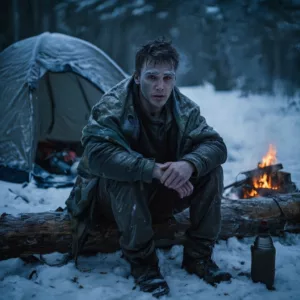
Cold-related illness can sneak up on people, especially if they get wet or exhausted.
The CDC lists warning signs like shivering, exhaustion, confusion, fumbling hands, memory loss, slurred speech, drowsiness, and notes hypothermia is serious and needs immediate medical attention.
If anyone in your group is showing these signs, don’t “push through.” Warm them up and get help.
Beginner-friendly Winter Camping Packing List (the essentials)
You don’t need all the fancy gear to start winter camping, but you do need the right pieces in the right places. These are the upgrades that make the biggest difference in warmth, comfort, and safety.
Warmth + clothing
Base layers (2 sets)
Mid layer (fleece/puffy)
Shell (wind/water protection)
Warm hat, neck gaiter, gloves + spare gloves
Wool socks + spare socks
Sleep system
Cold-rated sleeping bag
Sleeping pad(s) with winter-appropriate R-value
Optional liner, foam pad, hot water bottle
- 4-Season Tent
Camp comfort + safety
Headlamp + extra batteries (cold drains batteries faster)
Fire starter, lighter/matches in waterproof container
Stove + fuel suited for cold temps
First-aid kit
Emergency blanket