
Cooking at camp in the winter is a whole different game than cooking in July.
In warm weather, you can take your time chopping veggies, rummaging through bins, and casually stirring something on the stove while you chat. In freezing temps however, standing still is the fastest way to get cold, your fuel doesn’t always behave the same, and even simple stuff (like washing a pot) suddenly feels ten times harder.
Winter camp cooking is half food, half heat management. Your goal is hot meals with minimal standing-around time.
The good news is you don’t need fancy skills to eat well in winter. You just need a smarter setup and a game plan that keeps you moving, keeps your meals fast, and keeps your body heat where it belongs.
Affiliate Disclaimer: This site contains affiliate links, which means I may earn a commission on purchases made through these links at no extra cost to you.
Table of Contents
The #1 rule: Don’t Cook Like it’s Summer
If you only take one thing from this post, let it be this: Winter is NOT the season for complicated meals at camp.
Cold-weather meals should be:
Fast
One-pot (or close to it)
High-calorie and warm
Low-mess
Easy to prep ahead
That doesn’t mean boring. It just means you’re being strategic. Your “winter kitchen” is really about reducing the amount of time you’re standing outside with cold hands doing slow tasks.
Easy Implementation
Pick meals that cook in 15–20 minutes max
Use a pot lid every time (it’s the easiest “speed boost” you have)
Prep at home so you’re not chopping onions in the wind
Build meals around “add hot water” or “heat and eat” ingredients
Choose the Right Stove & Fuel for Cold Temps
When it’s really cold, your stove setup can make or break your meal plan and a lot of campers figure this out the hard way.
What happens in the cold
Cold temps can affect fuel pressure and performance, especially with canister stoves. That doesn’t mean canister stoves are useless in winter, it just means you need to be more intentional.
Tips if you’re using a canister stove:
Keep the canister warmer than the air temp.
Stick it in your jacket pocket for a few minutes before cooking.Keep it off snow or frozen ground.
Put it on a small piece of foam, a wooden board, or even a flat rock.Cook in a sheltered spot.
Wind and cold together can make boil times painfully slow.
When to use liquid fuel
Liquid fuel stoves are popular for deeper winter conditions because they’re generally more dependable in colder temps. If you do a lot of winter camping, it’s worth considering a stove designed for that kind of use.
Gear you might want to invest in:
Having a winter-capable stove when you are camping in winter is something that will make cooking much easier. You might also want a windscreen to help keep wind from slowing you down. A stove base plate is definitely convenient when there is snow on the ground. And having fuel storage options help keep everything organized and secure.
Wind is the Silent Meal-Killer (and Heat Thief)
If your stove feels “weak” in winter, it’s often not the stove. It’s the wind that's stealing the thunder.
Wind steals heat from your pot, extends cook times, burns more fuel, and makes you stand there longer… getting cold!
Easy wind fixes
Use your vehicle or RV as a wind block
Cook near a natural barrier (rock wall, trees)
Set up a tarp as a windbreak (even a low one helps)
Bring a simple stove windscreen
If you’ve never used a windscreen before, winter is the time you’ll become a believer. It's amazing how less wind = faster hot food = happier camper.
Set Up a “Warm Cooking Zone”
This is one of those things that sounds small, but it really does make a huge difference.
In winter, you don’t want to wander around camp gathering tools and ingredients while your food sits half-cooked. You want everything within arm’s reach so you can cook, eat, and clean up quickly.
Build a tight kitchen setup
Before you light the stove, put all of these in ONE spot:
Stove & fuel
Pot/pan with lid
Utensil (spoon/spatula)
Knife & cutting board (if needed)
Ingredients just for that one meal (not your entire food bin)
Trash bag – clipped to the table
Towel(s) – one “clean” towel and one “messy” towel
Headlamp
Keep Hot Water Stored in a Thermos
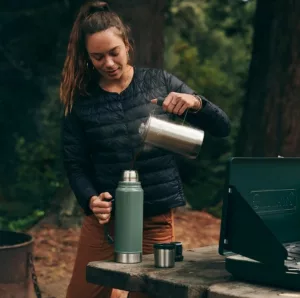
Want to make winter camp cooking way easier? Stop boiling water over and over.
Instead, boil one big batch, then store it in a good thermos. This saves fuel and saves time, and it keeps you warmer because you’re not stuck standing outside waiting for water to boil again.
What hot thermos water is good for
Instant oatmeal
Hot cocoa, tea, cider
“Just add water” meals
Quick soups
Warming up your hands
Easier dishwashing
This is one of my favorite winter tricks because it affects everything… meals, cleanup, and comfort.
Check out my article on the 10 Must-Have Camping Cookware for Outdoor Cooking. It's packed with essential gear recommendations to make your camping meals even more delicious and hassle-free!
Cook Once, Eat Twice
Winter is the season for leftovers. Not because you’re lazy, but because it’s super efficient.
You’ll stay warmer and burn less fuel when you cook a bigger dinner and then repurpose it for breakfast or lunch.
Easy “dinner becomes breakfast” ideas
Chili → breakfast burritos
Stew → pour over instant mashed potatoes
Taco meat → skillet hash with potatoes
Soup → add noodles/rice the next day for a new meal
Even one “cook once, eat twice” meal on a trip makes winter camping feel smoother.
Prep at Home so You Don’t Freeze While Cooking
This one is pretty obvious, but the more you do at home, the less you do with cold hands at camp.
Cold-weather prep list
Pre-chop onions, peppers, potatoes (store in bags/containers)
Pre-cook rice or pasta (or use instant versions)
Pre-mix spice blends in tiny baggies (label them)
Pre-cook proteins (shredded chicken, taco meat, sausage crumbles)
Freeze meals flat in bags (they pack well and thaw safely)
If you’re car camping or RV camping, you can really lean into prep. The whole point is to shorten your cook time.
10 Winter-Friendly Meals That'll Keep You Warm
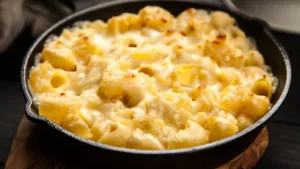
You don’t need a gourmet menu. You need meals that are warm, filling, and fast.
Here are solid options that work well in freezing temps:
Chili (semi-homemade)
Use canned chili as a base and upgrade with browned meat, extra beans, or spices.Ramen “glow up”
Add an egg, pre-cooked chicken, veggies, and a little sesame oil.Tortellini soup
Store-bought tortellini + broth + spinach = fast comfort food.Lentil or bean stew
Great calories, warms you up, and reheats beautifully.Instant mashed potatoes & sausage gravy
Cozy and quick. Perfect when you want warm food now.Fajita skillet wraps
Pre-sliced peppers/onions + chicken + tortillas = easy and hot.One-pot mac & tuna/chicken
Simple, filling, and kid-friendly if you camp as a family.Oatmeal upgraded
Add nut butter, dried fruit, cinnamon, and a pinch of salt. (Yes, salt… try it.)Hot cocoa & a snack plate
When it’s really cold, a warm drink + protein/fat snack combo can feel like a meal.Foil packet hobo dinners
Great for winter because cleanup is minimal and the food stays hot longer.
Dishwashing in Freezing Temps (Without Hating Life)
Let’s be honest, winter dishwashing is the worst. So the goal is to make it barely a thing.
Winter dishwashing tips that help
Use fewer dishes. One-pot meals are your friend.
Wipe pots first. A paper towel wipe-out reduces greasy mess.
Use hot thermos water. No need to re-boil just for cleanup.
Don’t let things sit wet. Water turns to ice fast. Dry quickly.
Have a “wet bag.” If something can’t fully dry, store it in a mesh bag or separate container until you can deal with it.
A collapsible wash tub and a couple microfiber towels go a long way here as well.
Final Thoughts
The secret to cooking when it’s freezing isn’t fancy recipes. It’s reducing your time in the cold and making your camp kitchen run like a tiny system.
Start with these two upgrades and you’ll feel an immediate difference:
Use a windbreak/windscreen
Carry hot water in a thermos
Then you can build from there. Prep more at home, cook once and eat twice, and keep your setup tight so you’re not wandering around camp with cold hands and low patience.
Because winter camping is supposed to be cozy… and a hot meal is a big part of that.