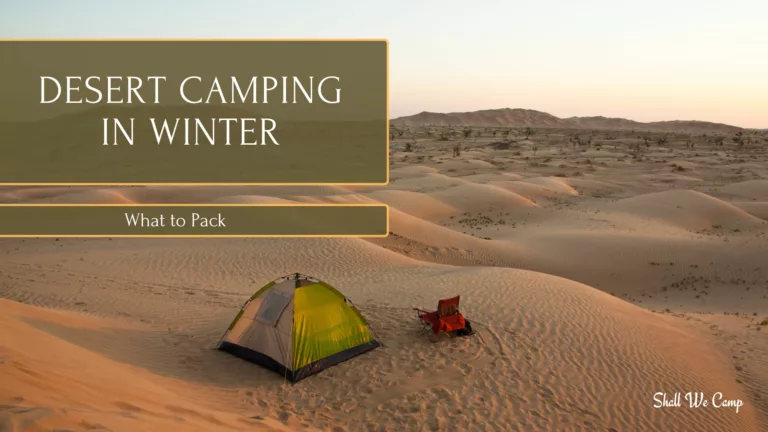
Desert camping in winter is the best kind of surprise. You get sunny, comfortable days, wide open views, and fewer crowds than peak summer. Then the sun drops, the temperature follows, and the wind decides it owns the place.
If you have ever woken up with dust on your pillow, fought a flapping tent all night, or underestimated how cold desert nights can feel, this guide is for you. Below is my practical, real world packing list for warm winter desert trips, with a focus on wind, dust, sun, and cold nights.
Affiliate Disclaimer: This site contains affiliate links, which means I may earn a commission on purchases made through these links at no extra cost to you.
Table of Contents
What Makes Desert Camping Different?
Most “desert problems” come down to four things:
Wind that never quits
Dust that gets everywhere
Sun exposure even when it feels cool
Big temperature swings after dark
The good news is you can handle all of it with the right shelter setup, a smart sleep system, and a few small comfort items that make a huge difference.
Shelter Essentials for Wind & Dust
A desert campsite can go from calm to chaotic fast, so your shelter needs to be more sturdy than “lightweight.”
Must have shelter upgrades:
A tent that handles wind well (sturdy poles, full coverage fly, solid guy out points)
Extra guy lines (even if your tent came with some)
A groundsheet or footprint to protect your floor from abrasive sand
Clips or small clamps for managing loose fabric and keeping doors from flapping
How to set up your tent for desert conditions:
Pitch low and tight. A taut fly is quieter and sheds dust better. Face the smallest side of your tent into the wind if possible. Guy out everything, even if the forecast looks calm. Use natural windbreaks like shrubs or rock features, but avoid camping in washes or low areas that could collect water if a storm rolls through.
Simple dust control tip that helps a lot:
Create a “dirty zone” at the door. Lay down a small mat or spare bandana inside the vestibule, take shoes off there, and keep a zip bag for dusty headlamps, cords, and little items.
Sun Protection You Actually Use All Day
Winter sun in the desert can feel gentle until you realize you are getting roasted anyway.
The air is dry, reflection is real, and you are outside longer because it feels so nice.
Desert sun essentials:
Wide brim hat or cap with a neck cape Sunglasses with real coverage (wrap style is great in wind) Lightweight sun shirt or sun hoodie Sunscreen you will reapply SPF lip balm Lightweight buff or face covering (also doubles as dust protection)
Comfort extras that feel amazing out there:
Moisturizer or a simple face balm for dry wind Saline nasal spray if dust makes you miserable Eye drops if your eyes get scratchy in wind
Clothing for Warm Days & Cold Nights
Desert winter trips are all about easy layering. You might be in a tee at lunch and searching for your beanie by dinner.
My simple desert layering system:
Daytime base: breathable top, sun layer, lightweight pants Wind layer: a thin wind jacket makes a bigger difference than you think Evening insulation: puffy jacket or warm fleece Sleep warmth: warm socks, beanie, and a base layer you only sleep in
Do not forget your hands:
Cold desert wind can make your fingers feel useless fast. Pack light gloves even if the daytime forecast looks warm.
Sleep System for Cold Nights (this is where most people get humbled)
If you want desert camping to feel cozy instead of miserable, put your effort here. Desert cold feels sharper because the air is dry and wind steals warmth.
Sleep essentials that matter most:
An insulated sleeping pad with a solid R value A sleeping bag or quilt rated for colder than you expect A way to block drafts (sleeping bag liner, extra blanket, or quilt straps) A warm hat for sleeping Thick sleep socks
Two simple warmth tricks that work:
Hot water bottle: Fill a hard bottle with hot water and toss it in your bag 10 minutes before bed. Eat something warm: A small hot meal or cocoa before bed helps your body stay warm longer.
And if wind is loud at night, use earplugs. Not fancy, just effective.
Cooking in the desert can be dreamy, but wind can turn it into a headache. You want a stove setup that stays stable and lights easily.
Kitchen essentials for desert camping:
Stove that is stable on uneven ground Wind protection for your cooking area Extra lighter or backup ignition Fuel you know works for your stove A pot that heats quickly and holds heat Insulated mug for coffee, tea, or soup
Food ideas that match desert winter vibes:
Soup packets with added protein Instant rice bowls with tuna or chicken Oatmeal with nuts and dried fruit Hot cocoa and tea for easy warmth
Water Planning, the Desert Comfort Multiplier
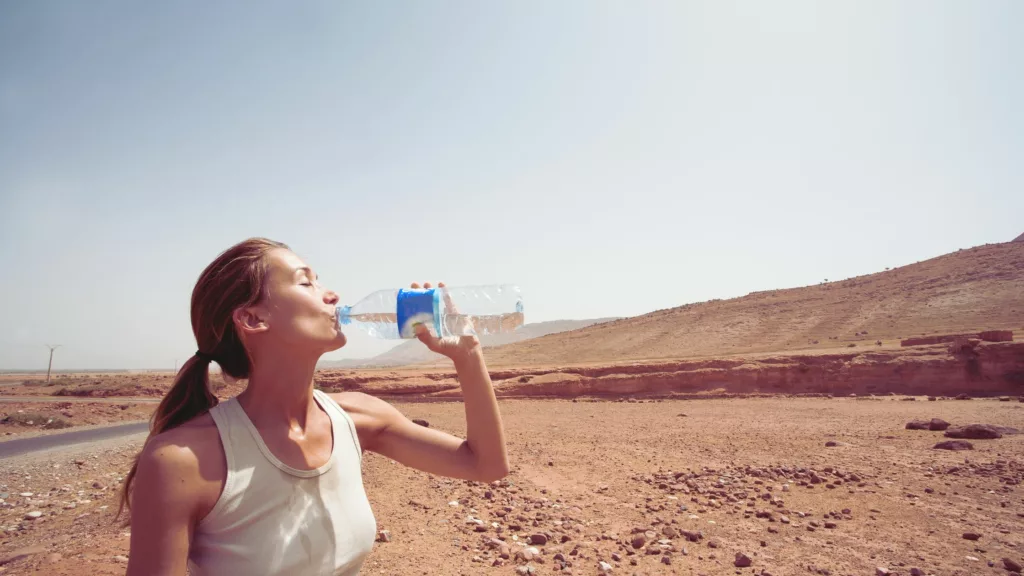
Even in winter, dehydration sneaks up fast in dry air, and wind makes it worse.
Water essentials:
More water than you think you need A dedicated hand washing jug or bottle Electrolyte packets A way to keep water from freezing at night if temps dip (keep a bottle inside your tent)
A simple habit that helps:
Drink a big glass of water when you wake up and again before dinner. Desert air dries you out while you sleep.
Gear Protection from Dust, Sand, and Wind
If you want to keep your trip relaxing, treat dust like glitter. It will spread, it will stick, and it will show up in places that make no sense.
Gear protection essentials:
Dry bags or zip pouches for electronics and headlamps A small brush or microfiber cloth for sand Trash bags for keeping dusty items separate A sealed bin or tote if you are car camping Lens wipes if you film or take photos
Pro tip for sleeping comfort:
Keep your next day clothes inside the tent. Wind driven dust can coat everything left outside overnight.
Safety Essentials for Remote Desert Camping
Some desert camp spots are close to town. Others are very much not. Pack for self reliance either way.
Do not skip these:
Offline maps downloaded to your phone A paper map as backup if you are going remote Extra headlamp batteries First aid kit that includes blister care Emergency whistle A way to communicate if you lose service (especially for dispersed camping)
If you drive on sandy or rough roads:
A tire repair kit A small air compressor A shovel Traction boards if you tend to explore soft sand areas Tow strap if you travel with another vehicle
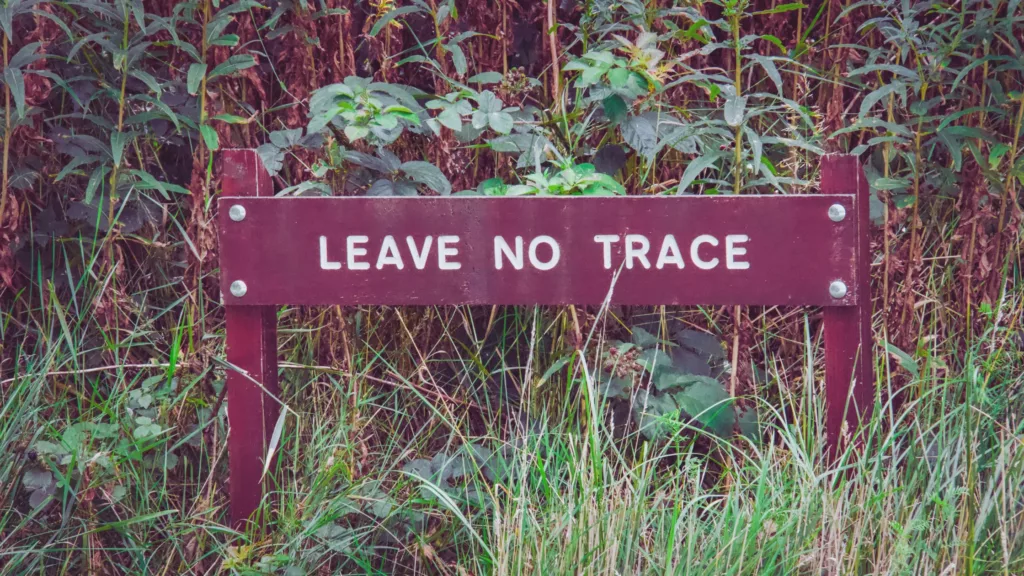
Leave No Trace Desert Reminders
Desert environments can be fragile. A few mindful choices go a long way.
Camp on durable surfaces when possible:
Avoid stepping on dark, crusty soil areas (they are often living soil) Pack out all trash, including food scraps Check local fire rules and wind advisories before using a campfire or charcoal
Final Thoughts
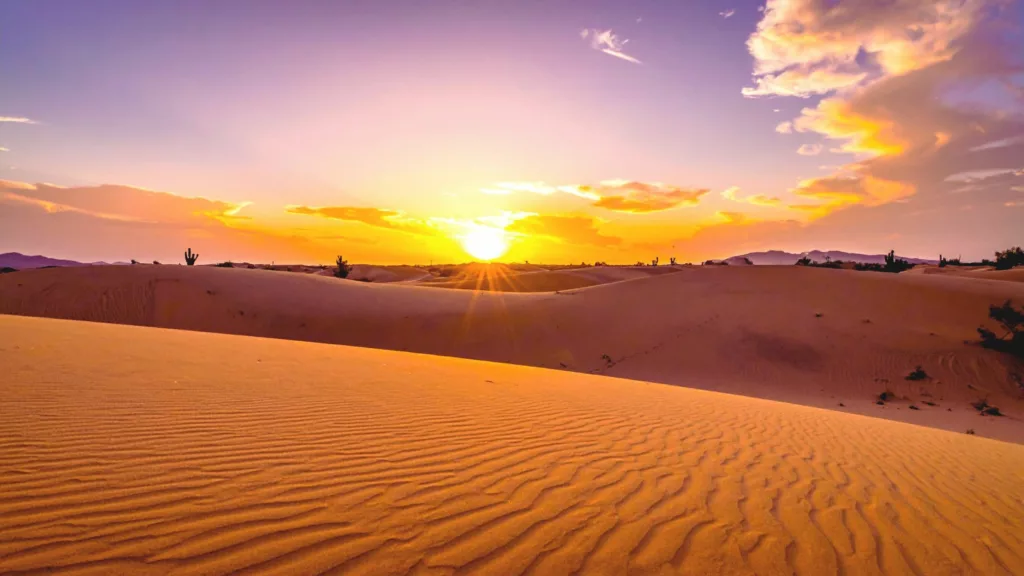
Desert camping in winter can be ridiculously comfortable when you pack for the real conditions: wind, dust, sun, and cold nights. Once those are handled, the desert turns into what it should be, quiet mornings, golden sunsets, and the kind of sleep you only get outdoors.